_edited.png)
The Reality of Factory Workers Salaries in 2026
Updated: May 25
The salary of factory workers is a topic that often remains shrouded in ambiguity. Discussions about wages in various industries frequently emerge, but factory work seems to linger on the periphery. As critical players in the manufacturing sector, factory workers contribute immensely to productivity and innovation yet often face challenging working conditions and variable pay.
In this blog post, we'll explore the hidden facets of factory workers' salaries, shedding light on wage structures, industry disparities, and the socio-economic implications of compensation across different factory settings.
Understanding the Salary Landscape
To appreciate the current salary trends among factory workers, it's essential to understand the various factors influencing wage levels. Salary structures can significantly differ based on geographic location, industry sector, skill levels, and even the size of the factory.
Several studies indicate an average salary range for factory workers across the United States. According to the Bureau of Labor Statistics, the median annual wage for production workers was approximately $38,000. However, this figure can vary widely, with some workers earning significantly less and others, especially in skilled positions, earning upwards of $60,000 per year.

Factors Influencing Factory Workers' Salaries
1. Region and Location
Geographically, salaries can differ drastically. In metropolitan areas where the cost of living is high, factories tend to offer better wages to attract workers. Conversely, in regions with lower living costs, salaries may reflect the local standard, offering less competitive pay.
For instance, workers in factories located in cities such as San Francisco or New York might earn significantly more compared to their counterparts in rural settings. This regional disparity presents a challenging dynamic for workforce retention and recruitment strategies.
2. Industry Variability
The type of products being manufactured also plays a critical role in salary determination. Industries that require specialized skills or advanced technologies, such as automotive or aerospace manufacturing, often offer higher salaries compared to sectors like textiles or food processing, where labor is more generalized and the skill level required is lower.
Factory workers employed in industries that are heavily automated may also find that their wages are influenced by productivity levels and the integration of robotics, which can lead to a complex wage structure tied closely to output.
3. Skill Level and Experience
Experience and skill level are perhaps the most direct determinants of a factory worker’s salary. Entry-level positions typically start at the lower end of the pay scale. However, as workers gain experience, take on specialized training, or assume supervisory roles, their salaries can increase substantially.
Many factories offer internal training programs or tuition reimbursement for further education, aiming to boost the skill levels of their workforce. Such incentives can lead to better pay and enhanced job security for workers willing to invest in their professional development.
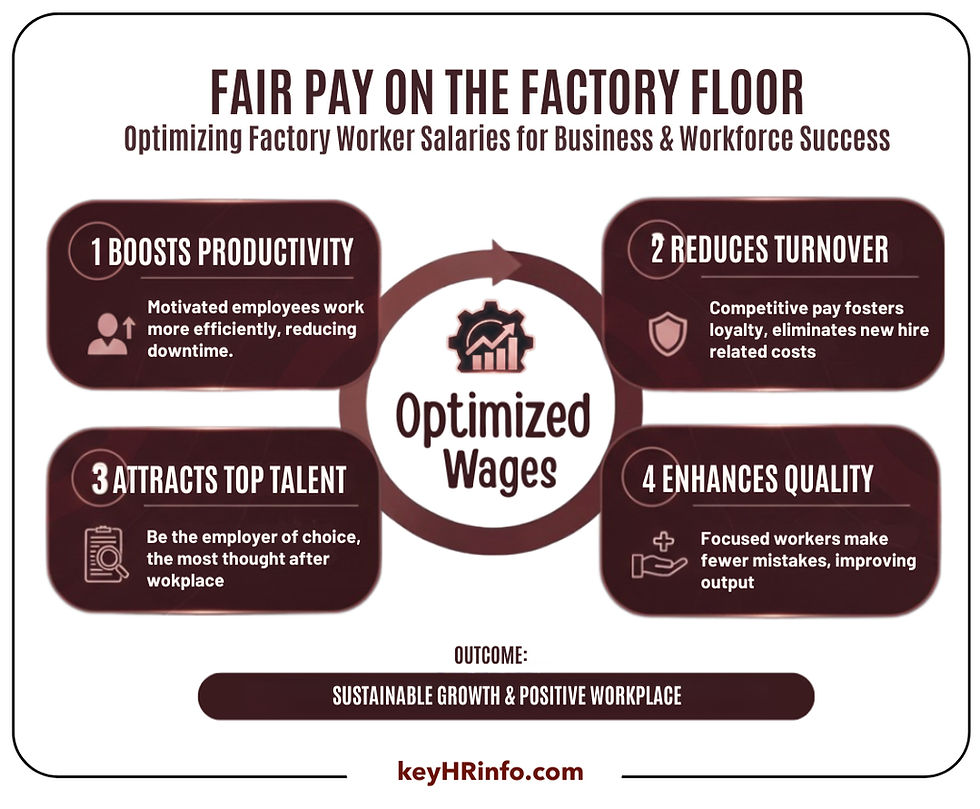
The Role of Unions in Salary Negotiations
Unions have historically played a significant role in improving the working conditions and salaries of factory workers. Collective bargaining agreements negotiated by unions can set minimum wage standards, secure benefits, and establish conditions that enhance job quality.
For example, unionized factory workers may enjoy increased salaries, overtime pay, health benefits, and retirement plans compared to non-unionized workers. This influence is especially prominent in sectors such as manufacturing, where unions have a strong foothold, advocating for workers’ rights to ensure fair compensation.
The Impact of Economic Fluctuations
Economic cycles also affect factory workers' salaries. During periods of economic growth, factory orders tend to rise, often resulting in increased demand for labor, thereby pushing salaries upward. Conversely, during recessions, salary freezes or reductions may occur, and layoffs can affect the job security of factory workers.
This cycle underscores the vulnerability of factory workers, who may find their earnings tied directly to the fluctuations of economic conditions beyond their control.
Benefits Beyond Salary
While salary is a crucial component of compensation, benefits also play an essential role in the overall compensation package for factory workers. Health insurance, retirement plans, and paid time off contribute significantly to job satisfaction and worker retention.
In recent years, many manufacturers have recognized the importance of offering competitive benefits to attract and retain skilled labor. These benefits can sometimes outweigh salary differences, especially for workers in lower-paying positions who may prioritize health coverage or retirement savings over immediate compensation.
Challenges Facing Factory Workers
Despite the potential for competitive salaries and solid benefits, factory workers still face numerous challenges that can undermine their financial stability. Job security is a pressing concern, as shifts in market demand or technological advancements can lead to layoffs or reduced hours.
Additionally, many factory workers endure physically demanding labor conditions, which can lead to injury and long-term health issues. These factors can impact workers' ability to maintain steady employment and secure their financial future.
Future Trends in Factory Workers' Salaries
As the manufacturing landscape evolves, so too will the salaries of factory workers. The rise of technology and automation is revolutionizing the factory floor, with many factories investing in smart manufacturing solutions. This shift is expected to change the skill sets required, with a premium on workers who can manage advanced machinery.
Consequently, salaries may begin to reflect the increased technical proficiency needed in the workforce. Workers with advanced skills in automation and data analysis could command significantly higher salaries in the coming years, potentially narrowing the wage gap between skilled and unskilled positions in the manufacturing sector.
The salary of factory workers is a multifaceted issue influenced by various factors including location, industry type, skill levels, union representation, and economic conditions. Although wages for factory workers can sometimes appear modest, understanding the broader context allows for a clearer picture of the challenges and opportunities they face.
Factory workers play a crucial role in keeping industries thriving. As industries adapt to new technologies and workforce dynamics, factory workers stand at the forefront of change, pushing for fair compensation, secure benefits, and better working conditions.
By illuminating the realities behind factory workers' salaries, this post aims to foster dialogue surrounding the importance of valuing and compensating essential labor forces who contribute significantly to our economy.
In embracing a comprehensive understanding of factory workers and their salaries, industries can better support their workforce, ensuring sustainability and development thrive together. As the manufacturing sector continues to innovate, recognizing and addressing the needs of factory workers will be pivotal in shaping a prosperous future for all.
FAQ about Factory Workers’ Salaries
What factors determine factory workers’ salaries?
Salaries depend on experience, skill level, location, industry, and the complexity of the work performed.
Do factory workers receive overtime pay?
Yes, most factory workers are entitled to overtime pay for hours worked beyond their regular schedule.
How often are factory workers paid?
Factory workers are typically paid weekly, biweekly, or monthly, depending on company policy.
Are factory workers’ wages affected by automation?
Automation can shift wage structures, often increasing pay for skilled technical roles while reducing demand for manual tasks.
Can factory workers negotiate their salaries?
Yes, especially those with specialized skills or experience can negotiate for higher pay or better benefits.
keyHRinfo.com offers innovative HR and Payroll services for startups from reviewing the needs, to the solution proposal, implementation and operational phases. Also ongoing assistance for operational, audit and Mergers and Acquisitions.